Geez Louise, it's HOT in here! Everyone turned to look at me. One lady sitting on the couch, holding a tiny cup of punch, remarked that my face was flushed. I asked sweetly, holding up my tiny cup, "Oh, are you saying that I am "punch drunk?" Everyone laughed. The hostess swore she did not liquor-up the punch. Crissie commented that I was going through the menopause.
Jeannie, who spent the whole time crying at the last get-together, recognized the symptoms and agreed. All the others were now bobbing their heads up and down like those silly, little bobble-headed figurines that were on the dash of nearly every car years ago. Lola informed me that I should try Dong Quai.
The very name of it set me off in hysterical laughter. She was always the spoilsport of the group, but still, I stopped laughing and apologized to her back as she breezily left the room. I never take a pharmaceutical medicine, Herbal Remedy, or supplement until I research it. So when I returned home, I immediately booted up my faithful companion, Booter and entered "Dong quai"¯ into the search engine. My eyes enlarged as I read the details. At first I thought it was only a spice, but I kept reading.
DONG QUAI
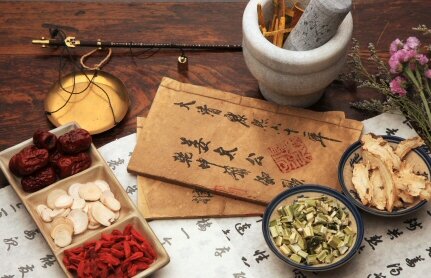
Dong quai is an herb in the celery family that has been around for thousands of years, dating from 500 B.C., according to Chinese literature. The plant grows in the damp and cold high altitude areas in the mountains of Japan, Korea, and China. Dong quai is a perennial plant has smooth purple stems that produce clusters of umbrella-like white flowers with five rounded petals. The mountain sides are adrift in a sweet honey fragrance during June and July. Its winged fruit begins to develop in July and August. Referred to as Chinese angelica, tang kuei, toki, tanggwi, angelica sinensis, and dang quai they are all the same medicinal herb. Various plants in the herbs genus of Angelica are tall, with leaves on either side of the sturdy stalk. The flowers grow in umbrella-like clusters of small white or greenish hues. Angelica, or angelique, Sinensis is the European name for Dong quai.
Incidentally, Lola did not pronounce Dong quai correctly. If she had, I probably would not have laughed and she would not be peeved with me. It is pronounced DON KWAY. Quai means "Compelled to return." And SO, I will "return" to the same group next week with my newfound knowledge and pronunciation. (It is not pronounced DONG-KAY!)
HOW THE DONG QUAI PLANT IS USED
For thousands of years, the Chinese, Japanese, and Koreans have harvested the yellowish-brown, thick-branched roots for spice, tonics and medicine. The plant is harvest-ready in three years, when its root is at the apex of vigor and stamina, then it is harvested and formulated into tablets, powders, dried root slices, dried leaf, raw root or as liquid, extract, tinctures, teas or in ointments and creams, among other medicinal uses. The Chinese often boil or soak Dong quai in wine. Only the liquid is swallowed.
DONG QUAI AS A MEDICINE
The root of the Dong quai plant contains folinic acid, folic acid, nicotinic acid, small amounts of vitamins A and E, biotin, carotene, and pantothenic acid. The significant amount of vitamin B12 is probably why it was used by ancient herbalists in the treatment of blood disorders. It is thought that the numerous unique phytochemicals improve the production of white blood cells. This find is used in the cure of many types of inflammatory diseases, arthritis being just one of them. Soon, cancer, liver and kidney diseases may be cured with Dong quai therapy. Other studies have discovered the root of Dong quai works as an antispasmodic.
Clinically, it is being used in the treatment of chest pain, heart arrhythmia, and hypertension because it dilates the arteries and relaxes the smooth muscles, which improves blood circulation and heart rate. Taken orally, Dong quai is used to purify blood, control hypertension, treat infertility, manage both mild and traumatic injuries, relieve joint pain, and to treat ulcers. Dong quai is also taken during therapy for de-pigmentation and psoriasis. It is also used to alleviate stress and promote good sleep. Hepatitis and cirrhosis are relieved as it speeds oxygen to the liver. Dong quai's mild laxative factor eases constipation by relieving dry intestine.
Dong quai may have immune system strengthening substances that include: an anti-allergy factor; the potential to activate lymphocytes; and intensifies white blood cell activity. It also contains the properties of an analgesic (lessens muscle and joint pain); anti-inflammatory (reduces infection); antispasmodic (aids in the control of seizures); anticoagulant (thins the blood); sedative (calms the nerves), and a diuretic, which helps the body get rid of water (edema). It may also contain an anti-bacterial ingredient. An abnormal protein metabolism may be improved and boosted. Iron-enriched Dong quai corrects the fatigue and low vitality of anemia and other iron deficiencies by encouraging peripheral blood vessels to dilate; circulation is increased while cardiovascular conditions/high blood pressure, inflammation, headache and nerve pain are calmed.
As a tonic in the blood, Dong quai nourishes cells, tissues, and organs with emphasis on the hormonal and immune systems. Dong quai contains courmarin, a phytochemical with a vanilla-like flavor, found in several plants including cinnamon, cherries, apricots, licorice, lavender, tonka beans, strawberries, and sweet clover. Courmarin prevents blood clots and has anti-inflammatory factors. Evidence shows that coumarin and courmarins create biological activity against HIV, tumors, hypertension, arrhythmia, inflammation, and osteoporosis. They are also antiseptic and analgesic, useful in the treatment of asthma and lymphedema.
Dong quai, a Natural Remedy, is known to increase the metabolism. Asian physicians have implemented it for centuries as a tonic to nourish the blood, support healthy menstrual cycles, balance female hormones and bring emotional health during menopause and "perimenopause" - the time leading up to the menopause. Best known as women's ginseng, Dong quai, was highly valued by ancient herbalists because of the remarkable effects on female reproductive health. Clinical research has recently confirmed the effectiveness of this herbal tonic.
DONG QUAI and ESTROGEN
Dong quai contains plant hormones called phytoestrogens, which are very similar in chemical structure to natural human hormones. Estrogen plays a vital role in women's various physical functions; Dong quai increases the estrogen level by exchanging natural estrogen with phytoestrogens. Gynecological issues are resolved because the phytoestrogens balance out natural hormone levels, supplementing estrogen when levels are too low and opposing estrogen when levels are too high. Traditionally used as a tonic, Dong quai was used by both men and women, to nourish the blood and to encourage circulation. It was also utilized to regulate women's hormone levels ās the main cause of menstrual and menopausal complications. Modern day women choose this herb after ending birth control or after giving birth. Notably, it restores hormone balance and also relieves the countless symptoms of menopause. Hormonal changes affect women of all ages. Unmistakable symptoms become obvious during their late twenties through the forties. Just before their menstrual cycles many women undergo hormonal changes.
Mood changes, irritability, painful cramps, water retention, and crying spells are among the many signs of hormonal disharmony. Every month, throughout the menstrual cycle and during perimenopause and menopause, estrogen and progesterone are made by the female body. The amounts generated and the ratio between the two hormones can vary. This triggers changes in mood, skin texture, and hair vitality and growth, as well as in menstruation itself. A chain reaction is caused by one of the major hormones that affects the brain: The gonadotropin-releasing hormone alters the functioning of the hypothalamus which in turn affects the pituitary gland, which then affects the ovaries, fallopian tubes and uterus. Note: Gonadotropins or Gonadotrophins are glycoprotein hormones protein hormones secreted by gonadotrope cells of the pituitary gland. Human chorionic gonadrotropin or human chorionic gonadotrophin (hCG) is a glycoprotein hormone produced during pregnancy made by the developing embryo after conception and later by a certain part of the placenta. The human chorionic gonadotrophin (hCG) hormone is detected in urine and blood pregnancy tests.
DONG QUAI AIDS GYNECOLOGICAL ISSUES IN WOMEN
Dong quai is invaluable in the treatment of a full array of gynecological issues pertaining to women and in the promotion of their overall health. For instance, it is classified as an "emmenagogue" - an herb that stimulates blood flow in a woman's pelvic area and reproductive organs; some stimulate menstruation, when menstruation has ceased because of pregnancy, hormonal disorders, or during periods of oligomenorrhea (light or irregular menses). Painful menstruation or pelvic pain is often relieved as the menses are regulated, further enhanced by the mild sedative effect in Dong quai.
For years, women have profited from Dong quai in the treatment of:
- Dysmenorrhea (painful menstruation)
- Amenorrhea (absence of menstruation)
- Menorrhagia (abnormal menstruation)
Dong quai revitalizes the blood which basically supports every system in the female body. It is beneficial during pregnancy and in childbirth to control uterine bleeding, decrease pain, ease delivery and to speed recovery.
DONG QUAI for MENOPAUSE RELIEF
Women between the ages of 40 through 50 usually experience some of the symptoms of menopause, which include mood swings, irritability, emotional fatigue, irregular bleeding, and lack of memory recall. Estrogen decreases in a woman's body as her ovaries stop making hormones and her child bearing days come to an end. There are three principal sex hormones that women's ovaries produce, but taper off when menopause begins:
-Estrogen
-Progesterone
-Testosterone
As these hormones decrease, symptoms begin to appear.
ESTROGEN DEFICIENCY SYMPTOMS
-Hot Flashes
-Night sweats
-Sleep disturbances
-Breast atrophy
-Vaginal dryness
-Vaginal bleeding
-Vaginal itching
-Urinary urgency
-Urinary frequency
PROGESTERONE DEFICIENCY SYMPTOMS
-Fatigue -Irritability -Mood disturbance -Decreased libido -Memory loss and problems with concentration -Depression -Osteoporosis -Joint pain -Muscle pain -Back pain Progesterone deficiency is not prominent just at menopause, but is rather an ongoing problem that causes multiple chronic health problems in women of all ages such as:
-Migraine headaches
-PMS
-PND
-Depression
-Fibromyalgia
-Blood clots
-Ovarian cysts
-Uterine fibroids
-Gynecologic cancers
-Increased tendencies toward heart disease
Progesterone deficiencies are difficult to pinpoint since they are less conspicuous than estrogen deficiencies. Women may not show any of these typical progesterone-related deficiency symptoms before menopause, but at menopause they emerge in the extreme.
TESTOSTERONE LEVELS
When testosterone levels are high, women may have irregular periods or none at all, or an abundance of body hair, including whiskers. Some may have frontal balding, acne, an enlarged clitoris, increased muscle mass, or a deeper voice. A decline in testosterone at menopause may be responsible for low libido. Dong quai works to balance high or low testosterone in the female body. Women with high levels of testosterone have a greater risk of developing polycystic ovarian syndrome (PCOS), which is an endocrine disorder. PCOS is linked to elevated levels of circulating male hormones. Older women with PCOS who possess the following factors increase their chances for heart disease and liver disease. In addition, women of childbearing years with PCOS have difficulty becoming pregnant. They also have symptoms similar to those produced by high testosterone. Such as:
-obesity
-an apple-shaped body
-excessive or thinning hair growth
-acne
-menstrual irregularity
-insulin resistance
-carbohydrate intolerance -- conditions that make a person prone to gaining weight
-low levels of HDL -- "good" -- cholesterol -high LDL -- "bad" -- cholesterol -elevated triglycerides
-high blood pressure
Women's lives are under the influence of countless factors, i.e., nourishment, lifestyle, exercise, stress, emotions, age, ovulation and more. Hormones govern every physiologic enterprise within the human body and are responsible for our every essence of life.
Dong quai is superior in the relief of menopause symptoms by bringing the whole body into balance. I can't wait to get back to the 'ol gals and let them have it with all my newfound knowledge. I've been doing some thinking, and I think I am in a group of irritable, sweating, flushed, depressed, fatigued, memory-shot menopausal women. We all could benefit from Dong quai.
